日本語

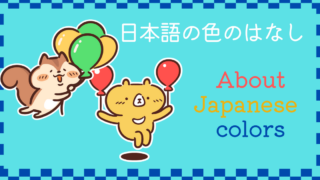
日本語の色のはなし About Japanese Colors

これは赤いりんごです。This is a red apple.グリーンはなんていうの?What is green in Japanese?グリーンは緑です。Green is Midori.これはみどりいりんごです。This is Midor...
日本語

ね を上手に使おう Let’s make use of “ne”

へぇ、それはたいへんでしたね。Oh, I feel for you.そうですよYes(・.・;)すみません……sorry...終助詞(文末のことば)によってニュアンスが変わる 上記の会話の中で「そうですよ」と言われて、なぜ聞き手が「すみませ...
文化

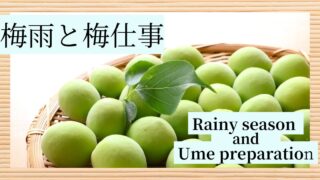
梅雨と梅仕事 Rainy season and Ume preparation

日本の梅は外国のプラムとちょっと違う。梅雨の時期の梅仕事を傷害します。Japanese plums are a little different from other countries' plums. This makes it difficult to work with plums during the rainy season.
日本語

「近い」と「近く」の使い分け How to use “chikaku” and “chikai”

「近く」と「近い」、意味は両方同じだけれど、使い方が違う。何が違うの?どうやって使い分けるの?日本語学習者の素朴な疑問に答えます。“Chikaku” and “chikai” have the same meaning, but they’re used differently. What’s the difference? How do you tell them apart? We’ll answer this common question from Japanese learners.
日本語

「好き」は動詞?名詞?形容詞?Is “like” verb, noun or adjective?

「好き」は英語では動詞、でも日本語では動詞じゃない。では「好き」の品詞は何?日本語文法の疑問を解説。“Suki” is a verb in English, but it isn't a verb in Japanese. So what part of speech is “suki”? An explanation of this Japanese grammar question.
日本語

どういたしまして。の「どう」って何?What’s “dou” in Douitashimashite?

日本語文法についての素朴な疑問に答えます。「どういたしまして。」の「どう」ってどんな意味があるのでしょうか?「どう」という言葉について解説します。
文化

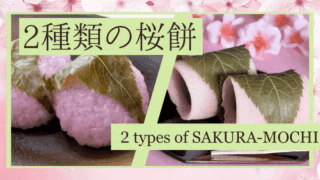
2種類の桜餅 Two types of Sakura-mochi

春の和菓子桜餅は地域によって形が違います。和菓子の背景にある日本人の尊い考え方を2種類の桜餅と一緒に紹介します。Sakura mochi, a traditional Japanese sweet enjoyed in spring, varies in shape depending on the region. Here, I'll introduce the noble Japanese philosophy behind these sweets along with two types of sakura mochi.